
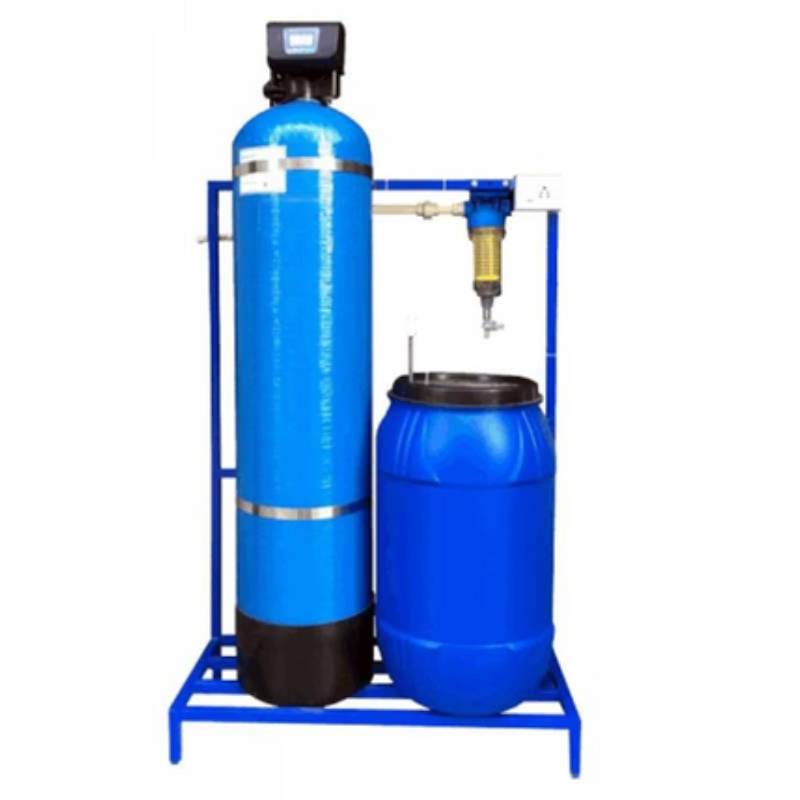
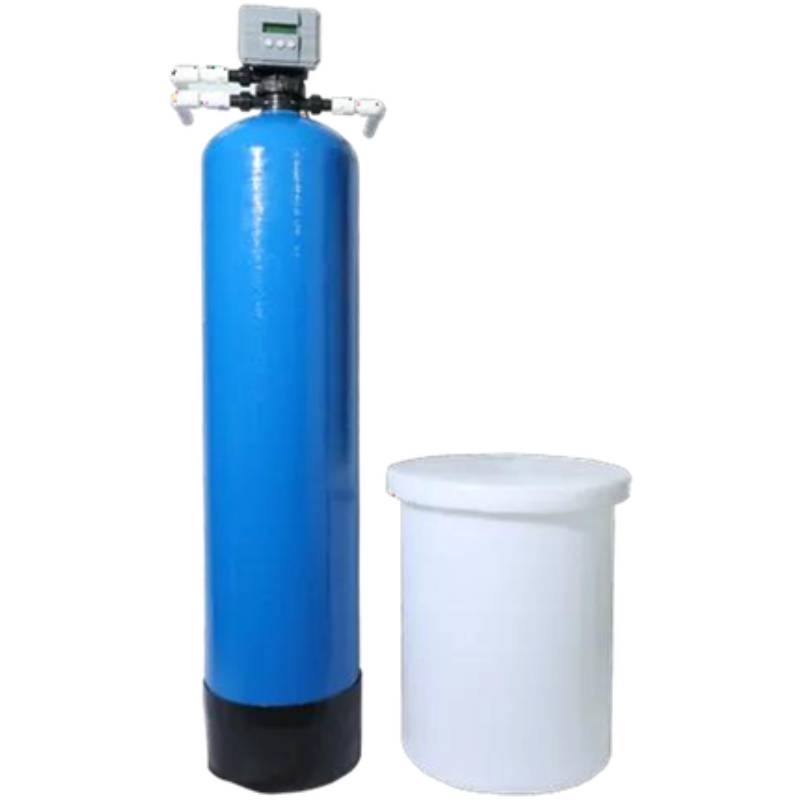
Funtion & Mechanism
- Prevents scale buildup: hard water minerals form a hard, chalky scale (limescale) on Pipes,fixtures, and the heating elementsof appliances like water heaters and dishwashers. The Softener prevents this accumulation, extending the lifespan and efficiency of the plumbing system And appliances.
- Improves cleaning efficiency: Soft water allows soaps and detergents to lather more effectively, Leadingto cleaner dishes,brighter laundry, and less soap scum in tubs and showers. This also reduces The amount of cleaning products needed, saving money.
- Enhances skin and hair health: soft water is gentler on skin and hair because it doesn’t leave Behind a mineral or soap residue, helping to alleviate dryness and irritation.
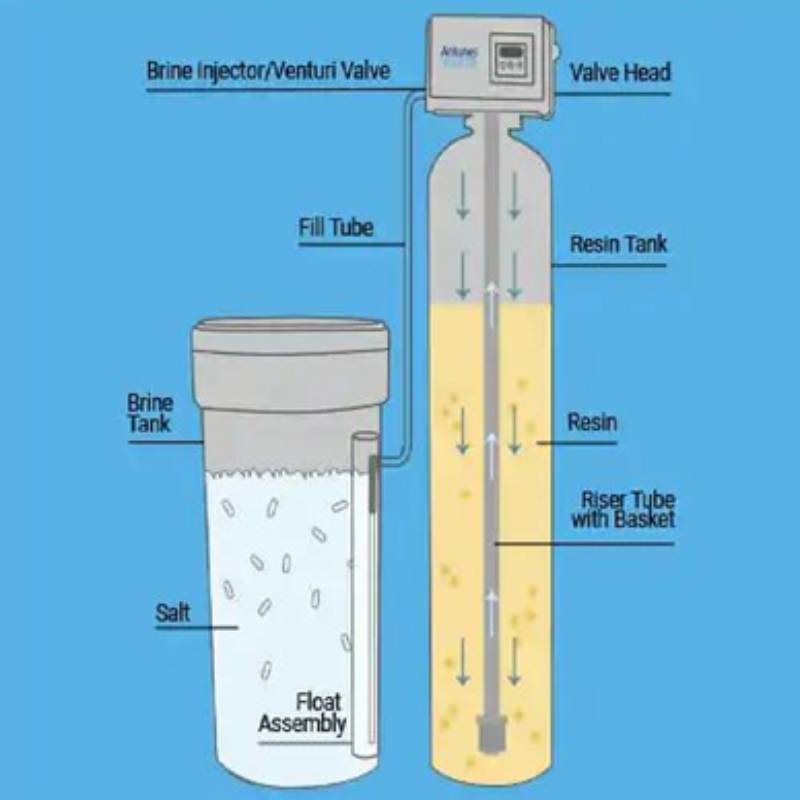
- Hard water entry: hard water, containing positively charged calcium (𝐶𝑎 ) and magnesium (𝑀𝑔 ) Ions, enters the system and flows into the mineral tank.
- Ion exchange: the mineraltank is filledwith tiny, negatively charged resin beads coated with sodium (𝑁𝑎 ) or potassium (𝐾+) ions. The positive charges of the calcium and magnesium ions are stronger Than those of the sodium ions, so as the water passes over the beads, the hardness mineralsare Attracted to and bind with the resin. In exchange, the sodium ions are released into the water.
- Soft water exit: the resulting soft water, now with trace amounts of sodium (or potassium) instead Of hard minerals, exits the tank and is distributed throughout the home.
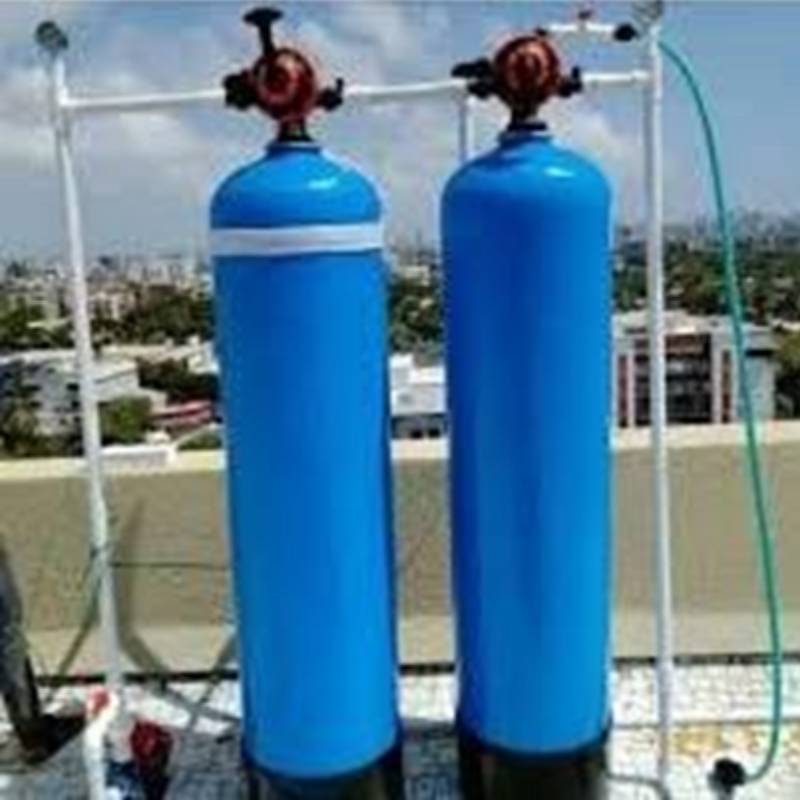
Placement plant layout
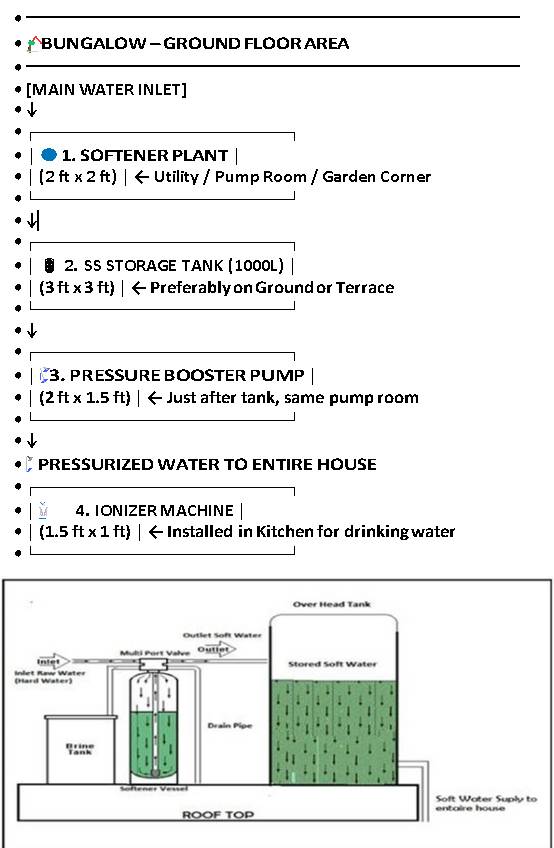
Technical Specifications
| Feature | Description |
|---|---|
| Flow rate | 1000 liters per hour (LPH) |
| Vessel size | 10 × 54 inches FRP (fiber reinforced plastic) |
| Resin quantity | 25 liters (cation exchange resin) |
| Valve type | Manual or automatic (optional) |
| Regeneration type | Co-current (salt-based regeneration) |
| Salt tank | 100 liters PE tank with brine valve |
| Inlet hardness handling | Up to 500 PPM |
| Outlet hardness | Less than 50 PPM |
| Service cycle | 7–10 days (varies by usage) |
| Pressure requirement | Minimum 2.0 bar |
| Operating temperature | 5°C to 50°C |
| Material quality | NSF-certified resin, food-grade tank lining |
| Installation space required | Approximately 2 ft × 2 ft |
Suitable For:
- Luxury Bungalows
- Weekend Homes
- Private Villas
- High-End Residences in Hard Water Areas
- Any Home Seeking a Modern, Health-Focused Water Setup.
Market to sell
- Potential Buyers
- Residential Homeowners: This is the most common market,as homeowners purchase softeners to protect their plumbing, skin, hair, and appliances (such as washing machines and water heaters) from mineral scale buildup.
- Commercial Properties: Businesses like hotels, restaurants, laundromats, and car washes need soft water for operational efficiency and to ensure the longevity of their equipment
- Industrial Facilities: Various industries use water softeners in their processes to prevent scalingin boilers, coolingtowers, and manufacturing equipment.
- Online Marketplaces: You can list the water softener on e- commerce websites like
Amazon or local online classifieds to reach individual buyers.
Reviews
There are no reviews yet.